The boy from a smog-drenched city who sang through addiction and into our hearts
He pushed his intense, high-energy live show to the limit, relentlessly performing until he eventually collapsed from exhaustion in Los Angeles.
During the chaotic “Mad Dogs & Englishmen” era, drugs and alcohol had become part of everyday life on the road. What began as celebration turned into dependence, heroin, cocaine, pills, and heavy drinking all blending into a constant haze behind the music.
The excess didn’t stop when the tour ended. Instead, it intensified. Living in Los Angeles, Cocker fell deeper into alcohol abuse, describing periods where drinking replaced everything else in his life.
Heroin use followed, pulling him further into instability and risk.
“I started taking heroin seriously, even though I’d thought it was the big taboo. I flirted with addiction, but I couldn’t handle it on that level. It was too powerful and intense. I never used the works, I snorted heroin. It made me feel fearless. I’d be driving from London to Sheffield with mates and be speeding like a lunatic down the motorway. They’d be terrified, shouting at me to slow down. I didn’t bat an eyelid,” he admitted.
“They put me in a cell with a bank robber..”
By the mid-1970s, things had reached a breaking point. Performances became unreliable, health deteriorated, and at times he was even too unwell to finish shows.
There were arrests, public incidents, and a growing sense that his career was slipping out of control.
During a tour in Australia, he was arrested for possession of cannabis and reportedly even challenged ten members of the police force. Not long after, he was arrested again in Melbourne following a fight at his hotel, and spent a night in jail.
He later recalled: “They put me in a cell with a bank robber, and an Aborigine who was alleged to have murdered someone. The bank robber seemed like a nice bloke. Said he had all my albums.”
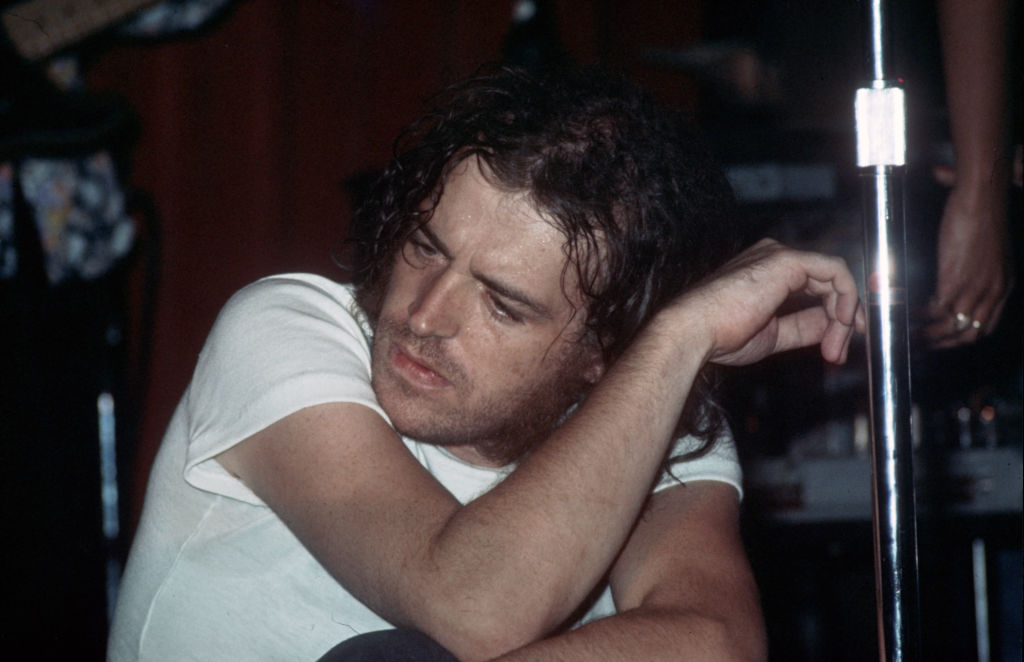
But somehow, Cocker managed a comeback. During his years of cocaine use, he still scored another hit when You Are So Beautiful reached No. 5 on the US Billboard chart. However, things could still go badly wrong.
While performing in Los Angeles in 1974, he vomited on stage again and experienced what he later described as a performer’s worst nightmare.
“Somebody should have kept an eye on me,” Cocker said. “But some dealer found me backstage and filled me up with cocaine. I hadn’t performed live in a couple of years. I drank a whole bottle of brandy, and then went out and got through two songs, and then I sat down on stage with a total mental block.”
His biggest hit
Remarkably, his biggest-selling hit became the US No. 1 single “Up Where We Belong,” a duet with Jennifer Warnes. The song, which also won a Grammy Award in 1983, became an iconic theme from An Officer and a Gentleman.
Against the odds, Cocker fought his way back after being dismissed by many as just another casualty of 1970s rock’n’roll excess.
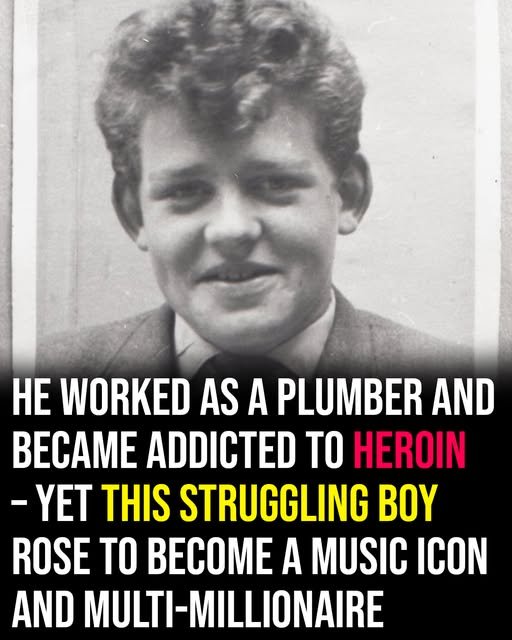
”I suppose my journey from 16-year-old gas fitter to today is a bit staggering. On my last trip to Australia, some old cat said: ‘You’ve led a life.’ Not a good one, mind. Not even a bad one. Just a life. Looking back, if I hadn’t made it I doubt I’d have stayed as a gas fitter. I’d still be singing in pubs and wondering what might have been,” he once said.
Despite his success and life abroad, he always remained the same boy from the steel city in northern England. When Joe later moved to Colorado in the US, his brother Vic said he would still get up early to watch his beloved Sheffield United whenever they were on TV.
Through the 1980s and 1990s, Joe Cocker continued releasing steady-selling albums like Unchain My Heart, One Night of Sin, and Night Calls. His 1994 album Have a Little Faith was more critically successful, earning international praise and producing minor UK hits such as Take Me Home and Let the Healing Begin. A career-spanning box set followed in 1995, highlighting the depth of his catalogue.
Inside his marriage
He also became a regular presence at major music events and global celebrations, including the Prince’s Trust Rock Gala, a Nelson Mandela tribute, Rock in Rio II, and even Woodstock ’94. Later albums, including Hymn for My Soul (2007) and Hard Knocks (2010), showed he still had chart presence and industry respect well into the later stages of his career.
The blues rock icon continued recording and touring well into his later years, remaining active in music throughout his life. He also had a long personal journey as well, including a relationship with Eileen Webster that began in 1963 and continued on and off for 13 years.

Later, in 1978, he moved to a ranch in California owned by Jane Fonda, where he met Pam Baker, a former summer camp director. The two began a relationship and eventually married in 1987.
Baker is often credited with bringing stability to his life, helping him through his struggles with addiction and supporting a more settled, private lifestyle together at Mad Dog Ranch in Crawford, Colorado.
Joe Cocker cause of death
Sadly, Joe Cocker passed away from lung cancer on 22 December 2014 in Crawford, Colorado, at the age of 70. He had been a long-term heavy smoker, reportedly smoking up to two packs a day until he quit in 1991.
Cocker truly paid his dues throughout his career. While the working-class rock star had several hit singles, his nearly 40 albums didn’t always achieve strong commercial sales. Having started out performing in pubs, he kept up a relentless, fast-paced touring schedule for most of his life.
He also appeared on both the UK and French versions of American Idol, though he was never a fan of talent shows. Reflecting on them, he said: “When you think of all the losers on the show who disappear into nowhere,” he said, “it probably would have been more disillusioning for me if I’d been in a competition like this and lost, than to work in the pubs and come up that way.”
Net worth
Cocker nearly went bankrupt in the mid-1970s due to a mix of poor financial management, the high costs of constant touring, personal addictions, and a lack of business oversight. Later on, his wife Pam played a key role in helping him regain control of his finances and rebuild stability in his life.
According to Celebrity Net Worth, Joe Cocker had an estimated net worth of around $60 million at the time of his death. While the annual income from his estate is not publicly disclosed, it is believed to continue generating significant revenue from his music catalogue.
Cocker is likely to be remembered as one of the world’s most soulful white rock vocalists, with few artists reaching the same level. He was posthumously inducted into the Rock and Roll Hall of Fame in November 2025, an honor many felt was long overdue and entirely deserved.
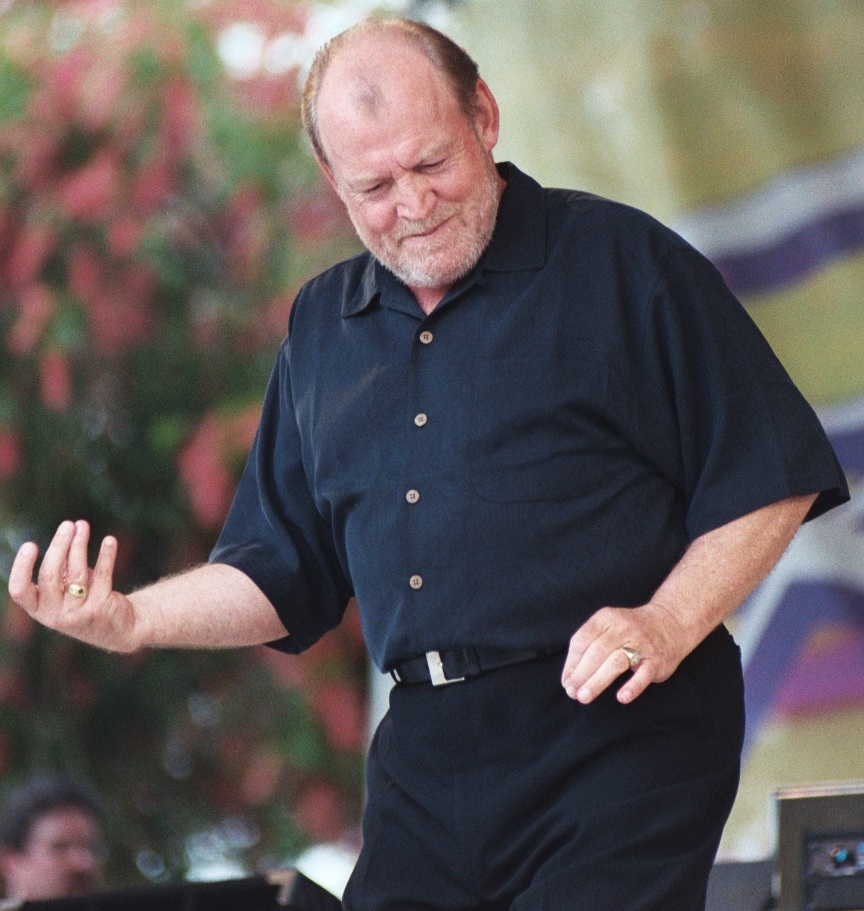
Every time “With a Little Help from My Friends” plays, and those broken, beautiful notes rise into the air, we’re reminded of the boy from Sheffield who never stopped believing his voice mattered
Joe Cocker’s life carries a lesson of its own. Success is rarely a straight path, it twists, fractures, and sometimes disappears entirely. But real artists, and real people, find their way back again. Not by denying the pain, but by transforming it into something lasting — into song.
Thank you for everything, Joe. You represented an era when words carried real meaning, singers performed with genuine passion, and music had a special touch – pure magic!