The boy from a smog-drenched city who sang through addiction and into our hearts
With his global tours, and the iconic, gravelly voice – this star became synonymous with rock and roll.
But before that, he was just a lad in one of the worlds most polluted cities.
Growing up in a tough, working-class neighborhood, music became his escape from the hardships of everyday life.
Along the way, he struggled with alcohol, heroin, and the toll of heavy cigarette use, and for much of that period, those battles defined his life. It wasn’t until he met his wife Pam in the 1980s that he began to turn things around.
Surrounded by smoke and soot
Not all rock stars come from drug-filled, broken homes — even if there are countless examples of that path. This star had a relatively stable upbringing, but it was by no means easy. Far from a life of comfort, it still came with its share of struggles, struggles that may well have forged the drive and determination that would one day take him to the top of the world.
A blunt Yorkshireman with the voice of an American soul singer, this artist became one of the most unlikely success stories of the late 1960s and early 1970s.
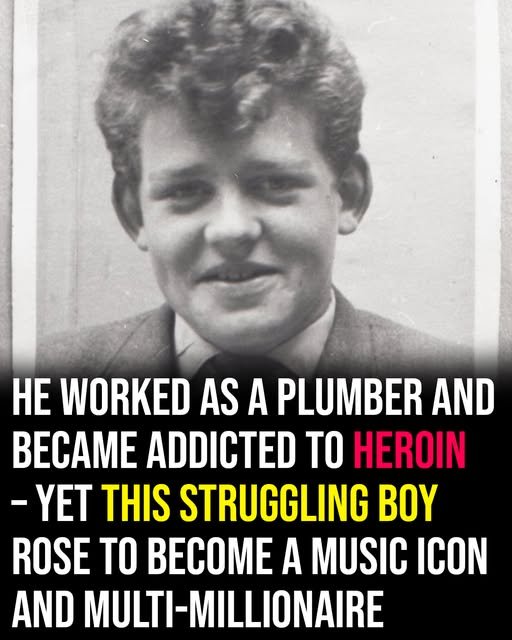
He was born in the midst of World War II in the steel city of Sheffield, where his father served as an aircraftman in the Royal Air Force. His mother was a housewife. At birth, he was given the name John, but it would be under a nickname that he would later become a voice still heard on radios today.
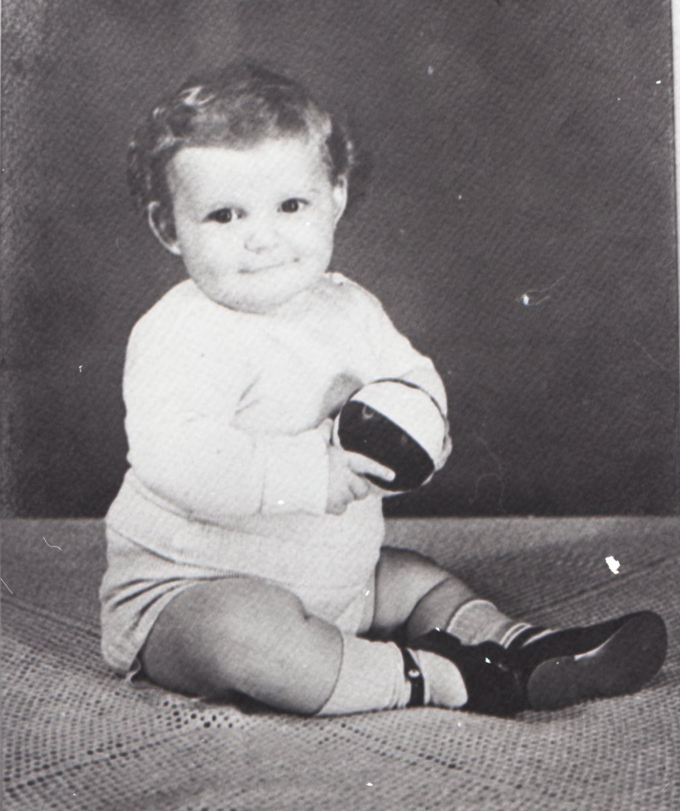
There are, however, two different stories about how he got that nickname, some say it came from a childhood Cowboy game, while others believe it was inspired by the name of a local window cleaner.
Growing up in Sheffield in the 1950s meant being surrounded by smoke and soot every day. For those who lived there, it was simply life — but for outsiders, the scene could feel almost apocalyptic. Streets were lined with darkened stone buildings, stained black by decades of soot drifting down from factory chimneys.
His only real ambition
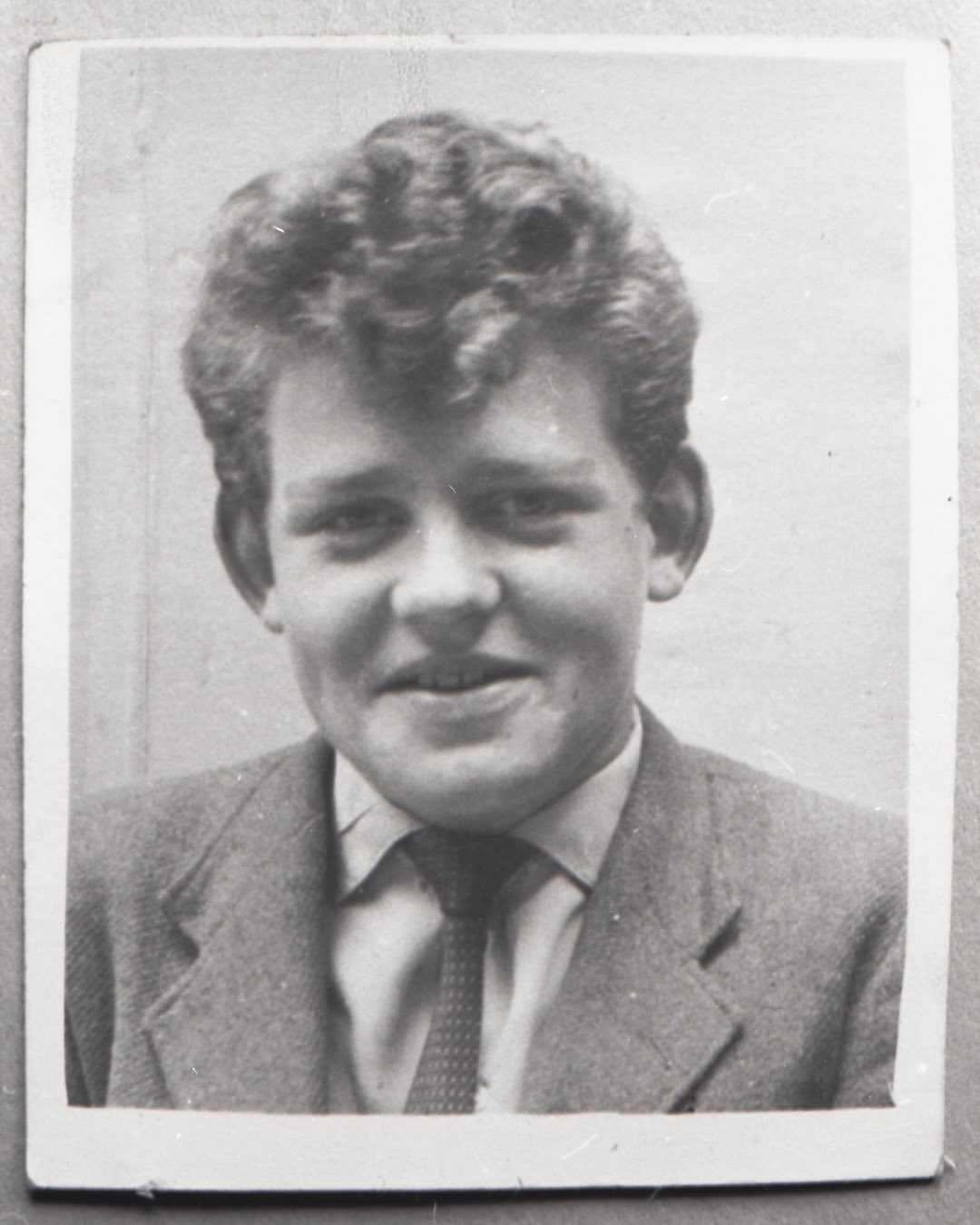
Our star never set out to be a great musician. His only real ambition was to escape his hometown. He left school at 16, his headmaster’s parting words a blunt, “Hard luck.” From there, he became an apprentice gas fitter while simultaneously pursuing a career in music. The young boy spent his days working and his nights chasing something bigger in smoke-filled bars.
“His voice had hardly broken and there was no way you could recognize his talent but his enthusiasm was undeniable and he had that desire to perform which was there throughout his career,” his brother told The Star.
For years, nobody knew who he was.
He borrowed microphones, played to tiny crowds more interested in their drinks than the music, and poured his wages into demo tapes that were rejected time and time again.
Still, he kept going, because singing was the only thing that made life feel real.
”I thought he was going to take up gas fitting as a career. I even got him a lot of books on the subject, and he was interested in gas for a time, but there was always the music. He told me he didn’t want a job where he worked for years and years and then got presented with a gold watch at the end,” his mother once shared.
Took a job packing goods
He cut his teeth in local blues bands before finally catching a break in 1964, when -Decca Records took him to London to record a cover of a Beatles song. He was paid just $1.50 for the session. The single went nowhere.
“Decca were very professional. That’s why they dropped me,” he later joked.
Undeterred, he left the gas board and took a job packing goods. He kept performing, sometimes even drumming, still chasing a dream that, at the time, seemed impossibly far away.
Four years after the setback, the young singer was given another opportunity—and this time, he made it count. He achieved major success with his version of “With a Little Help from My Friends,” originally by The Beatles.
The song climbed the charts in both the UK and the US, and in the UK it reached No. 1 after being released as a single.
“The day it happened, I got a telegram,” he later recalled. “THANKS YOU ARE FAR TOO MUCH, JOHN AND PAUL.”
The success of the song led to his first U.S. tour in 1969, and just a year later his live album Mad Dogs & Englishmen climbed to No. 2 on the American charts.
Iconic performance
By this point, the singer was beginning to develop the raw, powerful vocal style that would soon make him an international name. The true breakthrough came in August 1969 at the Woodstock.
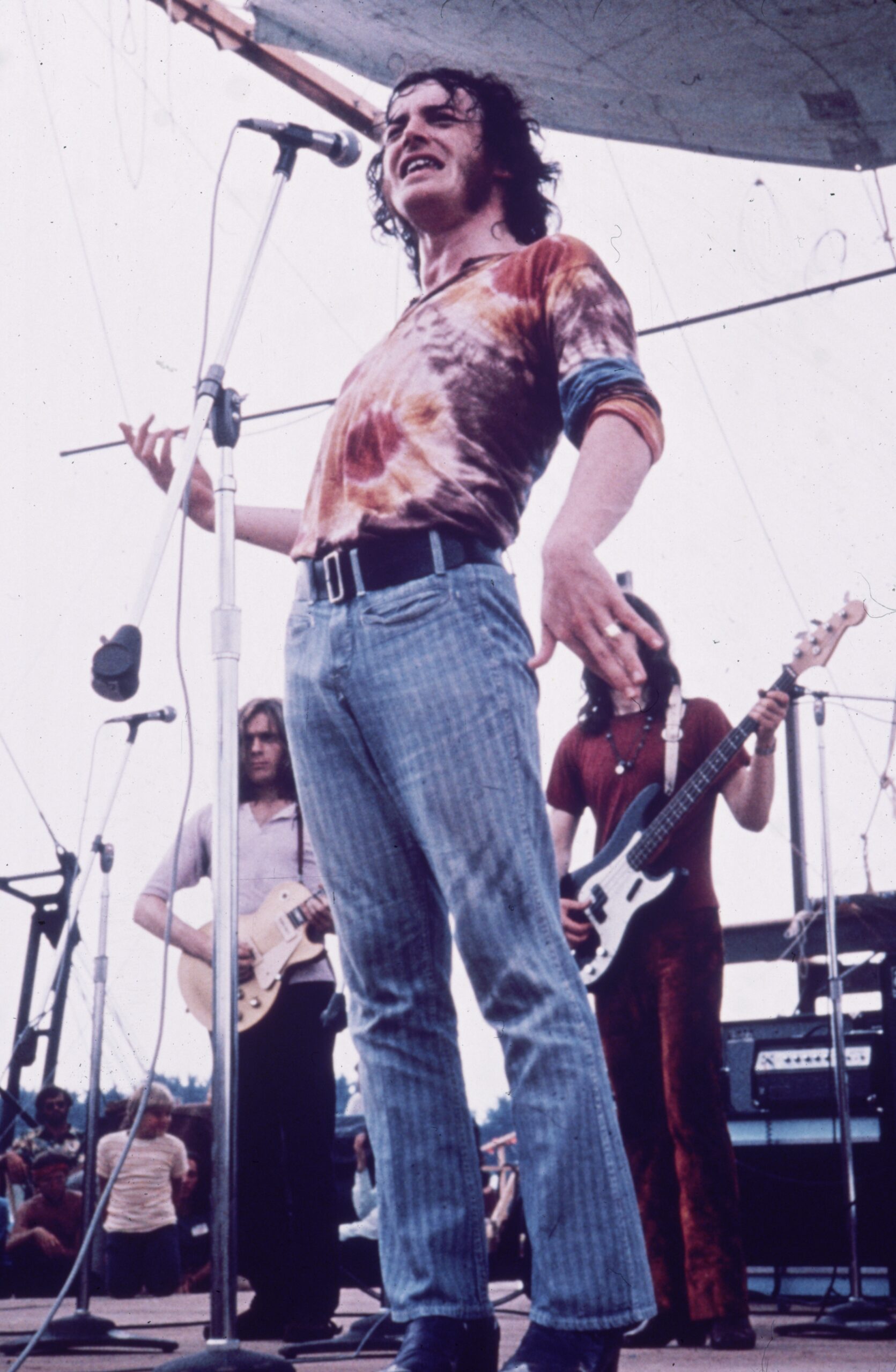
His performance of With a Little Help from My Friends became one of the most unforgettable moments of the entire festival — and later, its iconic film. Dressed in a tie-dyed shirt and jeans, hair wild and mutton chops framing his face, he took the stage with a presence that was impossible to ignore.
What followed was something extraordinary. With unearthly screams, contorted expressions, and seemingly uncontrollable movements, he delivered a version of the song that was both haunting and electrifying. It wasn’t just a cover — it was a complete reinvention, filled with anguish, intensity, and raw emotion.
The performance was as powerful as anything seen across the three-day event. It gripped the audience, overwhelming and deeply human, the kind of moment that defines what great music is meant to do — pull you in, shake you, and leave you changed.
That was the moment a star was born.
His name? John Robert “Joe” Cocker.
Eventually collapsed
He later reflected on the legendary concert with typical modesty, telling Louder, “Were we epic? I dunno… I was wearing a tie-dyed shirt, and when I took it off after, the colors had stained my chest in the exact same pattern.”
After making a lasting impression on an estimated 650,000 people at Woodstock and following it up with a standout performance at the Isle of Wight, Cocker continued touring into early 1970.