Understanding Maple Sap Taps: Tools Behind Traditional Syrup Harvesting
Exploring the Origins and Purpose of Maple Sap Taps
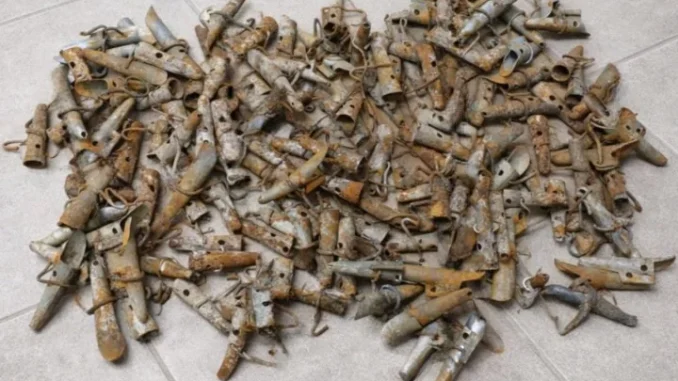
When exploring attics or old storage spaces in homes built in regions known for maple trees, one might come across buckets filled with unusual metal objects. These small, tube-like pieces of metal can seem puzzling at first glance, often mistaken for random hardware or obsolete tools.
However, these items are actually maple sap taps, also known as spiles, which are integral to the traditional process of harvesting sap for maple syrup production.
What Are Maple Sap Taps?
Maple sap taps are specialized tools designed to extract sap from maple trees. Typically made from metal, aluminum, or sometimes plastic, these taps are inserted into a pre-drilled hole in the trunk of a maple tree. Their primary function is to create a controlled conduit through which the sap can flow out of the tree and into a collection container, such as a bucket or tubing system.
The design of a spile is simple yet effective
The design of a spile is simple yet effective. It ensures that sap does not run uncontrollably down the tree bark, which would lead to contamination and loss. The spile acts much like a faucet, allowing sap to exit the tree in a manageable way that facilitates collection.
How Maple Sap Flows: The Science Behind the Season
The sap flow in maple trees occurs naturally but only during a specific period in late winter to early spring. This seasonal sap movement is driven by temperature fluctuations around the freezing point.
During cold nights, when temperatures drop below freezing, pressure builds inside the tree due to the contraction of fluids and gases. When warmer daytime temperatures rise above freezing, this pressure is released, pushing sap upward through the tree’s vascular system.
This cycle of freezing and thawing creates a natural sap
This cycle of freezing and thawing creates a natural sap flow that can be harnessed. However, the spile itself does not cause the sap to flow; it simply provides a means to collect the sap that the tree produces naturally.
Methods of Collecting Maple Sap
Traditional sap collection involved drilling a small hole in the tree and inserting the spile securely. A metal bucket would then be hung from the spile to catch the dripping sap. This method was common in family farms and small-scale syrup production for many decades.
In more modern systems, spiles are designed to connect directly to plastic tubing networks. This tubing transports sap from multiple trees to a central collection tank, improving efficiency and reducing labor.
The spiles found in old homes’ attics are often the older bucket-style metal taps, reflecting a time before the widespread adoption of tubing systems.
Why Were These Taps Stored in Buckets?
Finding a bucket filled with spiles suggests that the previous
Finding a bucket filled with spiles suggests that the previous occupants of a home were involved in maple syrup production or had an interest in it. Because spiles are durable and reusable, they were often cleaned and stored together after each sap season until the next year. This practice was especially common in rural areas where syrup making was part of local tradition or supplemental income.
Processing Sap into Syrup
One important aspect to understand is that sap collected through spiles is not syrup. Maple sap is mostly water with a mild sweetness. To create syrup, the sap must be boiled for hours or even days to evaporate the water and concentrate the sugars. Approximately 40 liters of sap are needed to produce a single liter of maple syrup.
Therefore, the spiles represent the initial step in a lengthy process that transforms tree sap into the familiar sweet syrup enjoyed worldwide.
Considerations for Tree Health
A common question concerns the impact of tapping on tree health. Responsible tapping involves drilling small holes and allowing trees to heal naturally during the off-season. Healthy mature maple trees can be tapped annually without significant harm. However, excessive or improper tapping can stress the tree, so modern practices emphasize sustainable methods.
Historical and Cultural Significance
These metal sap taps serve as tangible reminders
These metal sap taps serve as tangible reminders of a time when food production was closely tied to the seasons and local environment. Many families and communities relied on maple syrup harvesting as part of their cultural heritage and economic activity.
In contemporary life, where maple syrup is often purchased pre-packaged from stores, these tools might appear as obsolete curiosities. Yet, they connect us to traditional practices and the natural cycles that once shaped rural livelihoods.
Practical Insights for Homeowners and Collectors
For those who discover spiles in old homes or are interested in maple syrup production, understanding their function opens possibilities. Some hobbyists still use traditional bucket tapping methods as a way to engage with nature and produce small batches of syrup.
Proper care involves inspecting taps for damage, cleaning them thoroughly, and ensuring they fit the tree correctly to avoid injury. Whether for educational purposes, collection, or practical syrup making, these metal spiles hold both historical and functional value.
Conclusion
What may initially appear as strange metal pieces stored away
What may initially appear as strange metal pieces stored away in an attic are in fact essential tools in the traditional art of maple syrup harvesting. Maple sap taps or spiles facilitated a seasonal practice deeply connected to nature’s rhythms and local culture. Their presence tells a story of agricultural heritage and the transformation of raw tree sap into a cherished natural sweetener.
Recognizing the role of these tools enhances appreciation for the process behind maple syrup and the care required to sustainably harvest this natural resource.
The Evolution of Maple Syrup Production Techniques
Over the centuries, maple syrup production has evolved significantly from its early indigenous roots to modern commercial operations. Indigenous peoples of North America were the first to tap maple trees and collect sap, using natural materials and simple tools to harvest and boil sap into syrup. European settlers later adopted and refined these methods, introducing metal spiles and metal buckets that improved efficiency and durability.
In the 20th century, innovations such as vacuum pumps, reverse osmosis machines, and tubing systems drastically increased production scales and reduced labor intensity. While these advancements have made syrup more widely available, traditional tools like metal spiles remain important in small-scale and artisanal syrup making, preserving a connection to historical practices.
Identifying Different Types of Spiles and Their Uses
Maple sap taps come in various designs beyond the basic
Maple sap taps come in various designs beyond the basic metal spile. Some spiles are made from aluminum or plastic, each with unique advantages. Aluminum spiles are lightweight and resistant to rust, making them popular in many syrup-producing regions. Plastic spiles, introduced more recently, are often used with tubing systems due to their compatibility and ease of installation.
Additionally, some spiles feature built-in valves or drip control mechanisms to regulate sap flow, which can be useful in managing sap collection during variable weather conditions. Understanding these variations helps collectors and syrup makers select the right tools for their specific setup and goals.
Environmental Considerations and Sustainable Tapping Practices