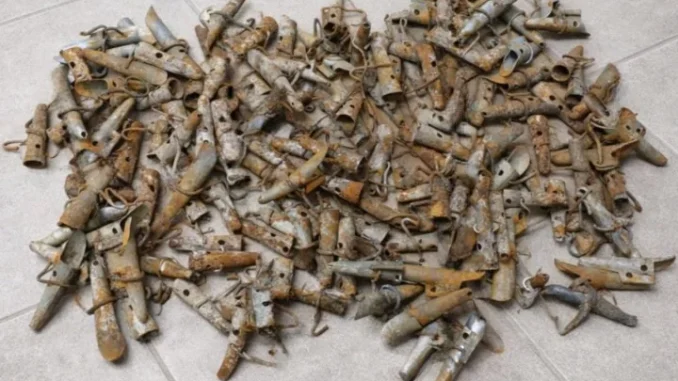
Understanding Maple Sap Taps: Tools Behind Traditional Syrup Harvesting
Sustainability is a key concern in modern maple syrup production. Responsible tapping ensures that maple trees remain healthy and productive for many years. Sustainable practices include limiting the number of taps per tree based on its diameter, using appropriate drilling techniques to minimize wound size, and rotating tapped trees to prevent overexploitation.
Producers are encouraged to monitor tree health regularly and avoid tapping trees that show signs of stress or disease. Forest management practices that preserve maple stands and promote biodiversity also contribute to the long-term viability of syrup production.
Cultural Traditions Surrounding Maple Syrup Harvesting
Maple syrup harvesting is more than an agricultural activity
Maple syrup harvesting is more than an agricultural activity; it is deeply embedded in cultural traditions, especially in northeastern North America. Communities celebrate the sugaring season with festivals, educational events, and family gatherings that highlight the importance of maple syrup in regional heritage.
These events often showcase traditional sap collection methods, including the use of metal spiles and buckets, alongside modern techniques. By preserving and sharing these customs, communities maintain a living connection to their agricultural past and foster appreciation for the natural environment.
Educational and Recreational Uses of Maple Sap Taps Today
Beyond commercial production, maple sap taps serve educational and recreational purposes. Schools and nature centers may use spiles to teach students about tree biology, seasonal changes, and food production. Engaging hands-on activities like tapping a tree and collecting sap can inspire interest in ecology and sustainable agriculture.
Hobbyists and amateur syrup makers often enjoy the process
Hobbyists and amateur syrup makers often enjoy the process as a way to connect with nature and experience traditional practices firsthand. For those interested in starting small-scale syrup production, understanding how to properly use and maintain metal spiles is essential.
Preservation and Collecting of Historical Maple Syrup Equipment
Old spiles, buckets, and related equipment have become collectible items for those interested in agricultural antiques or regional history. Preserving these artifacts helps document the evolution of maple syrup production and rural life.
Collectors often seek out different styles and brands of spiles, noting variations in manufacturing techniques and materials. Museums and historical societies may also display these tools as part of exhibits on local heritage, offering context about the economic and cultural significance of maple syrup.
Tips for Homeowners Finding Spiles in Attics or Storage
If you discover a bucket of metal spiles or other
If you discover a bucket of metal spiles or other maple syrup equipment in an old home, consider a few practical steps:
- Clean and Inspect: Carefully clean the spiles to remove rust or debris. Check for damage or corrosion that might affect their usability.
- Research Local History: Investigate whether the property or area has a history of maple syrup production, which can add historical value to your find.
- Preservation: If you are not planning to use them, consider preserving the spiles as historical artifacts or donating them to local museums.
- Practical Use: If interested in syrup making, ensure you understand modern tapping techniques and regulations before using older equipment.
Understanding Maple Trees Suitable for Tapping
Not all maple species are equally suitable for syrup production. The sugar maple (Acer saccharum) is the most valued due to its high sugar content in sap. Other species like red maple and black maple can also be tapped but typically produce sap with lower sugar concentration.
Recognizing the right trees and assessing their health is vital for successful tapping. Proper identification helps ensure sap quality and tree sustainability.
Conclusion: Appreciating the Role of Maple Sap Taps in Natural and Cultural Heritage
Metal maple sap taps are more than simple tools
Metal maple sap taps are more than simple tools; they represent a bridge between natural processes and human ingenuity. Their design and use reflect an understanding of tree biology, seasonal rhythms, and practical needs.
By exploring their history, function, and cultural significance, we gain insight into a traditional practice that continues to bring enjoyment and economic benefit. Whether found unexpectedly in an attic or used today in syrup production, these spiles connect us to a rich legacy of sustainable food harvesting and community heritage.
Technological Innovations Influencing the Design of Maple Sap Taps
As maple syrup production has advanced, so too have the design and materials used for sap taps. Early spiles were crafted from wood or simple metals, which could degrade or corrode over time.
The transition to aluminum and stainless steel improved durability
The transition to aluminum and stainless steel improved durability and resistance to weather conditions. In recent decades, the introduction of plastic spiles has further enhanced ease of use and compatibility with tubing systems.
These innovations reflect broader trends in agricultural tool development, where materials science and ergonomic design contribute to more efficient and sustainable practices.
Understanding the Economic Impact of Maple Syrup Production
Maple syrup production remains an important economic activity in many regions, particularly in northeastern North America. Small family farms and larger commercial operations alike contribute to local economies by supplying a product with both cultural and culinary significance.
The use of spiles is a critical component of this
The use of spiles, whether traditional or modern, is a critical component of this supply chain. Appreciating the role of these tools provides insight into how manual labor, seasonal timing, and technology combine to create a valuable commodity.
The Role of Maple Syrup Production in Environmental Education
Maple syrup harvesting serves as an excellent educational tool to teach concepts related to ecology, biology, and environmental stewardship. Educational programs often incorporate spile installation and sap collection as hands-on activities, helping participants understand tree physiology and the importance of sustainable resource management. These experiences foster environmental literacy and inspire future generations to value and protect natural resources.
Challenges in Maintaining Traditional Sap Collection Methods
While modern tubing systems offer efficiency, there is an ongoing interest in preserving traditional bucket collection methods for cultural and educational reasons. However, maintaining and using older metal spiles presents challenges, such as ensuring equipment cleanliness to prevent contamination and adapting to current environmental regulations. Balancing the preservation of heritage techniques with practical considerations requires knowledge and care from syrup producers and hobbyists alike.
The Global Perspective on Sap Collection Tools
Though maple syrup production is most closely associated with North
Though maple syrup production is most closely associated with North America, sap collection from various tree species occurs worldwide, each with unique tools and methods adapted to local environments. Studying maple sap taps within this broader context highlights the diversity of human innovation in harvesting natural sweeteners. It also encourages cross-cultural appreciation of traditional knowledge related to forestry and food production.
Reader Takeaways: Appreciating Hidden Histories in Everyday Objects
Discovering a bucket of metal spiles in an attic is more than a curiosity; it is an invitation to explore the layers of history, ecology, and culture embedded in everyday objects.
Recognizing the significance of these tools encourages a broader perspective on how human societies interact with their natural surroundings.
Whether as collectors, educators, or simply curious homeowners, readers can appreciate the value of preserving and understanding the tangible connections to past practices that continue to shape present-day experiences.