
The Life Story of the Star Often Called the “Voice of a Generation”
Music gradually became the most significant form of expression for him, offering both emotional release and a sense of identity during a period of instability and uncertainty.
He ultimately left school before graduation, choosing not to complete formal education as his focus shifted increasingly toward creative pursuits and personal survival.
During his late teenage years, Cobain experienced unstable living conditions, spending time with friends, relatives, and occasionally moving between temporary accommodations.
Although some accounts suggest periods of homelessness, including time near the Wishkah River, these stories vary in detail and are often interpreted symbolically as part of his difficult early life.
What remains widely accepted is that his late adolescence was marked by instability, financial hardship, and a growing dedication to music as a central focus.
He eventually became immersed in the local underground punk scene in the Pacific Northwest, where raw, expressive music provided an outlet for emotional intensity and creative experimentation.

This environment introduced him to other musicians who shared similar influences, leading to early collaborations that would eventually form the foundation of his career.
Cobain later co-founded Nirvana with Krist Novoselic, and after several early lineup changes, the addition of drummer Dave Grohl solidified the band’s defining structure.
Their early work, including the 1989 album Bleach, released through Sub Pop Records, reflected a raw and developing sound that hinted at the larger impact they would soon have.
The release of Nevermind in 1991 marked a turning point in music history, bringing alternative rock into mainstream global attention in an unprecedented way.
The success of songs like “Smells Like Teen Spirit” transformed Nirvana from an underground band into an international cultural phenomenon almost overnight.
Cobain became the public face of what was widely labeled the “grunge” movement, although he often expressed discomfort with labels and mainstream commercialization of his music.
Despite commercial success, Cobain struggled with the pressures of fame, including media attention, touring demands, and expectations placed on him as a generational spokesperson.
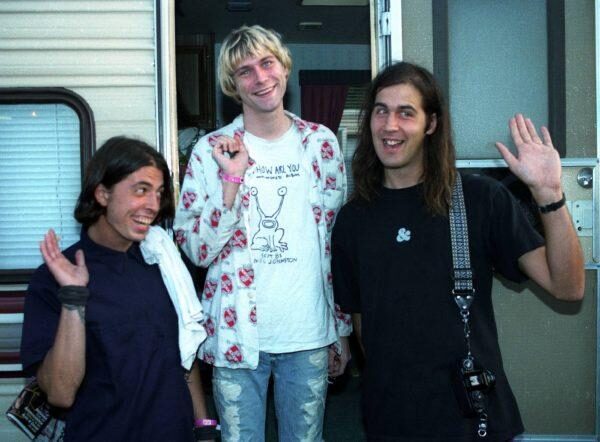
He also faced ongoing personal challenges, including health issues, substance dependency, and emotional struggles that were widely reported during his rise to fame.
His relationship with Courtney Love was heavily covered by the media, and together they had a daughter, Frances Bean Cobain, born in 1992.
The intense public scrutiny surrounding his personal life added further pressure during a period already marked by internal and external conflict.
By the early 1990s, Cobain’s mental and physical health challenges became increasingly visible, contributing to growing concern among those close to him.
On April 8, 1994, Kurt Cobain was found dead at his home in Seattle, with authorities concluding that he had died several days earlier.
His death at the age of 27 shocked the music world and led to widespread mourning among fans who connected deeply with his emotional and raw artistic expression.
Cobain’s influence extended far beyond commercial success, as his music gave voice to feelings of alienation, frustration, and emotional complexity experienced by many young listeners.
His songwriting often combined vulnerability with intensity, creating a distinctive style that helped define the sound and emotional tone of 1990s alternative rock.
In the years following his death, Nirvana’s music continued to gain cultural and historical recognition, influencing countless bands and shaping modern rock music.
Cobain’s life story is often viewed as both a creative triumph and a cautionary example of the pressures associated with sudden fame and public scrutiny.
He rose from a small, working-class town to global recognition, transforming personal struggles into art that resonated across generations and cultures.
Ultimately, Kurt Cobain’s legacy remains rooted in authenticity, emotional honesty, and a lasting impact on music history that continues to be studied and appreciated worldwide.