
Stop Boiling Mashed Potatoes in Water — Here’s What You Should Do Instead
Salt should be added carefully. A little during boiling helps season the potatoes internally, while adjusting at the end ensures balance. Over-salting is easy to do, but the flavor-infusing stock reduces the need for excessive seasoning.
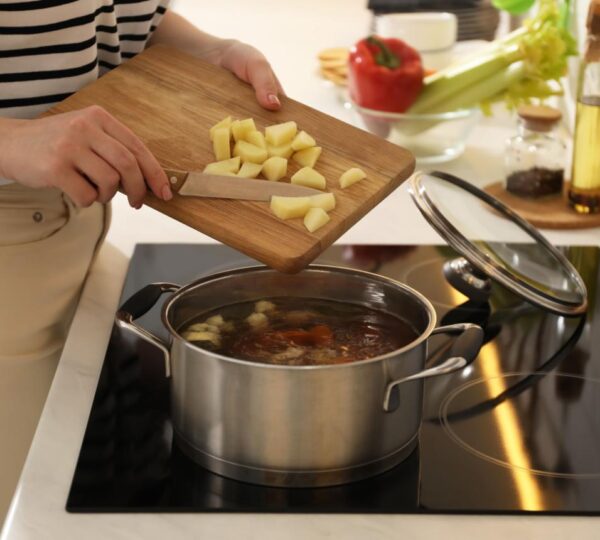
Texture can be further elevated by finishing the mash with a small amount of olive oil or high-quality butter. These fats round out the flavor, create a glossy finish, and help the dish feel luxurious without overpowering the potatoes’ natural taste.
For a lighter alternative, using milk or cream warmed and gently folded in maintains creaminess without adding heaviness. This technique preserves the potatoes’ structure while enhancing flavor and mouthfeel.
Mashed potatoes prepared in stock also pair beautifully with other ingredients. Folded in caramelized leeks, sautéed mushrooms, or finely grated cheese, the mash becomes a versatile dish suitable for both casual and formal meals.
Home cooks often notice an immediate difference when trying this method. Potatoes taste more robust, savory, and complete, almost as if they were seasoned from the inside out rather than relying solely on post-cooking additions.

This approach reflects a larger philosophy in cooking: using small, thoughtful adjustments to enhance flavor naturally. The effort is minimal, but the payoff in taste, aroma, and presentation is substantial and noticeable.
Even presentation benefits from this method. A rustic mash with skins on and carefully folded ingredients can be served in a bowl garnished with fresh herbs, creating an appealing visual that mirrors the rich taste within.
For those making mashed potatoes ahead of time, this method offers resilience. Potatoes boiled in stock retain flavor and texture better when reheated, making them ideal for meal prep or large gatherings where timing can be a challenge.
Ultimately, the key takeaway is that plain water dilutes rather than enhances flavor. Using stock, keeping skins on, and thoughtfully incorporating complementary ingredients transforms mashed potatoes from a simple side into a centerpiece worthy of attention.
This method also encourages mindfulness in cooking. Rather than relying on heavy butter or cream to compensate, it teaches home cooks to build layers of flavor intentionally, resulting in a dish that is balanced, rich, and naturally satisfying.
Once you experience stock-boiled potatoes, returning to plain water may feel disappointing. The fullness of flavor, the depth of aroma, and the enhanced texture reveal what a difference a simple adjustment can make in a classic favorite.
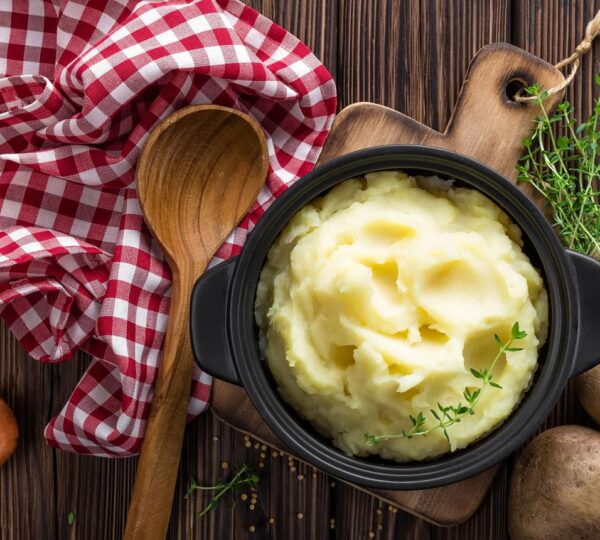
Mashed potatoes prepared this way exemplify how culinary techniques can be simple yet transformative. Small changes—like using stock, leaving skins on, or carefully folding in ingredients—elevate a familiar dish into something memorable and delightful.
This approach highlights a broader trend in modern cooking: using minimal but strategic interventions to amplify natural flavor. It’s about respect for ingredients, attention to technique, and understanding how flavors develop during cooking.
The flavor and texture achieved through this method are subtle but noticeable. Stock infusion allows potatoes to taste savory and rich without excess fats or additives, creating a healthier, more flavorful alternative to traditional preparation.
Finally, mashed potatoes made with stock demonstrate that simplicity and sophistication can coexist. A humble side dish becomes a culinary statement, showing that thoughtful preparation transforms everyday ingredients into something extraordinary and memorable.