A School Trip That Took an Unexpected Turn: What Happened to Kenwood Middle School
Support systems are often available for these professionals, including counseling and peer support, recognizing that processing such experiences takes time and cannot always be done immediately.
Healthcare teams caring for the injured also play a critical role. Their work involves not only physical treatment but also communication with families, helping them understand conditions, progress, and next steps.
In the days following the incident, attention remains centered on recovery. This includes the medical care of those injured, as well as emotional and psychological support for everyone affected.
Communities often come together in quiet but meaningful ways during times like this. Support may take the form of messages, gatherings, or simply being present for one another in shared understanding.
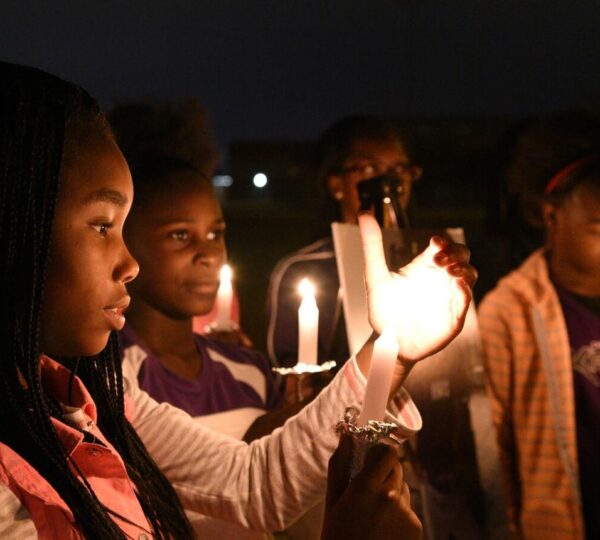
The event that was meant to inspire learning has taken on a different meaning. Instead of focusing on innovation and teamwork, attention has shifted toward care, resilience, and collective support.
Recovery is not immediate. It unfolds gradually, through consistent effort, patience, and time. Small steps—returning to routines, reconnecting with others, and processing experiences—become important markers of progress.
For students, returning to normal activities can feel both comforting and challenging. Familiar routines provide stability, yet the memory of what happened may still influence thoughts and emotions.
Schools often introduce additional resources during these times, including counselors and support programs, ensuring that students have access to help when needed.
Families adjust in their own ways, each experience shaped by individual circumstances. Some may seek conversation and connection, while others may prefer quiet reflection as they process events.
Community leaders and school officials continue to provide updates as information becomes available, maintaining transparency while ensuring that details shared are accurate and responsibly communicated.
Investigations into incidents like this require time. Authorities work carefully to determine contributing factors, focusing on facts and evidence to understand what occurred and how similar situations might be prevented in the future.
It is important that this process remains thorough and patient. Rushed conclusions can lead to misunderstanding, while careful analysis supports clarity, accountability, and informed decision-making moving forward.
As days pass, the focus gradually shifts from immediate response to longer-term recovery. This includes not only physical healing but also emotional resilience and community rebuilding.
Remembering those affected becomes part of that process. Memory, when approached with respect, can serve as a way to honor experiences without holding individuals in a place of permanent grief.
For many, the path forward involves balancing remembrance with the continuation of daily life. This balance is not fixed; it evolves as individuals and communities adapt over time.
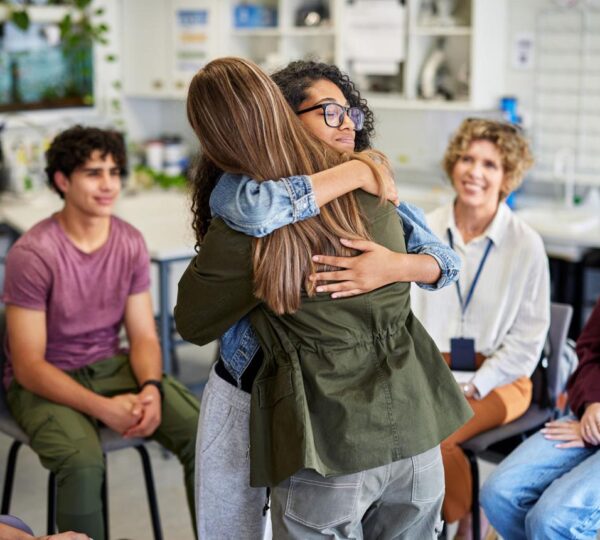
Support networks play a crucial role in this transition. Friends, family members, educators, and professionals contribute in different ways, helping individuals feel less isolated in their experience.
Moments of reflection may arise unexpectedly—in conversations, in quiet moments, or during routine activities. These moments are part of the natural process of understanding and adjusting.
There is no single way to respond to events like this. Each person’s experience is shaped by their perspective, their connections, and their emotional framework, making flexibility in support essential.
Over time, routines begin to stabilize again. School days resume their structure, conversations shift gradually, and daily life regains a sense of continuity, even as the experience remains part of memory.
The role of community remains significant throughout this process. Shared understanding and collective care provide a foundation that supports individuals as they move forward at their own pace.
The experience also highlights the importance of preparedness, communication, and support systems, reinforcing the need for continued attention to safety and well-being in all shared environments.
While the event itself cannot be changed, the response to it shapes what comes next. Care, patience, and understanding become guiding principles for recovery and growth.
For those directly affected, the journey forward is personal and ongoing. It includes moments of difficulty as well as gradual steps toward stability, supported by the presence of others.
The meaning of that day has shifted. What began as an opportunity for exploration has become a moment that calls for reflection, compassion, and a deeper appreciation of connection.
Moving forward does not mean forgetting. It means carrying the experience with awareness, allowing it to inform actions, relationships, and the way communities support one another in times of need.
The path ahead is built through small, consistent efforts—support offered, conversations held, and routines restored. These steps, though gradual, create a foundation for healing and continued growth.
And for those moving forward, the task is not to replace what cannot be replaced, but to continue with care, respect, and understanding, allowing time and connection to guide the process ahead.