
 By Jonathan Hampton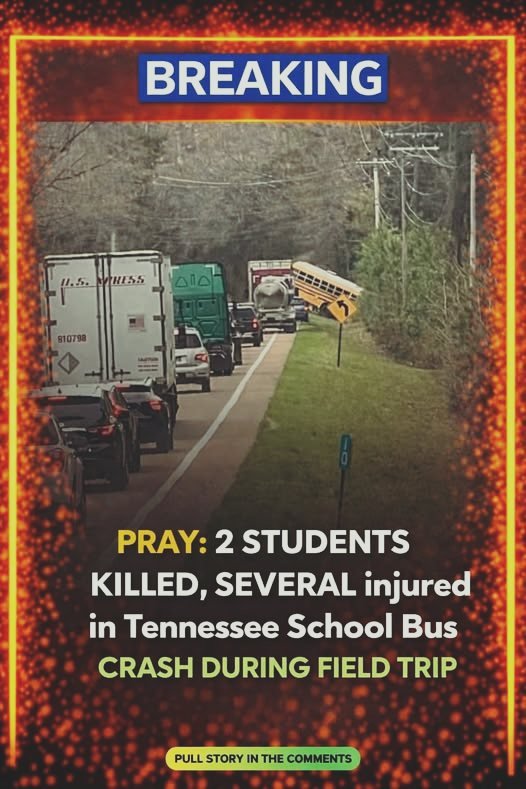
The morning of March 28, 2026, began with a quiet sense of excitement that often surrounds school trips. Students from Kenwood Middle School gathered early, carrying backpacks, conversations, and expectations for a day that promised learning and shared experience.
The destination was a GreenpowerUSA event, an opportunity designed to inspire curiosity, teamwork, and innovation. For many students, it was more than a trip—it was a chance to explore ideas beyond the classroom.
Teachers and chaperones moved through the morning with routine care, checking attendance, organizing seating, and ensuring everything was in order. The atmosphere was calm, structured, and filled with anticipation for what the day might bring.
As the bus began its journey along Highway 70, the sense of normalcy remained. Conversations continued, some students looking out the windows, others engaged with friends, unaware that the day would soon take an unexpected turn.
At some point during the trip, that sense of routine was interrupted by a serious crash. The details are still being carefully reviewed, but the impact was significant enough to change the course of the day immediately.
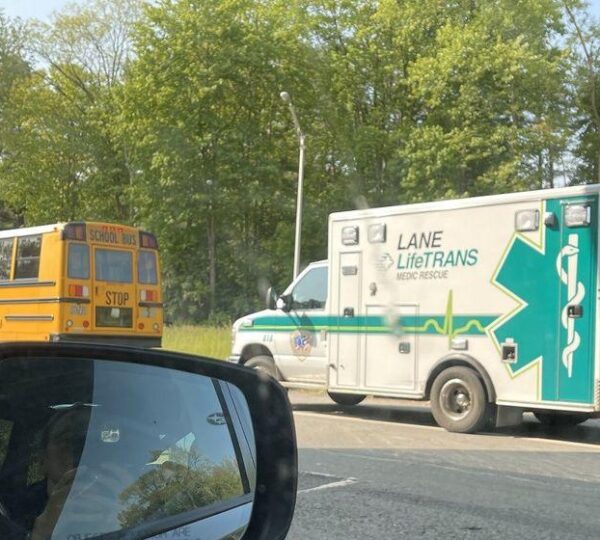
Emergency response teams arrived quickly. Ambulances, paramedics, and air transport units coordinated efforts to provide care, working under pressure to stabilize those injured and transport them safely to nearby hospitals.
Several students required urgent medical attention. The bus driver was reported to be in critical condition, and medical teams began immediate efforts to provide necessary treatment and ongoing care.
In situations like this, the initial response is only the first step. Investigators began examining the scene methodically, documenting evidence, reviewing conditions, and working to understand exactly how the crash occurred.
This process is careful and deliberate. It involves collecting information from multiple sources, including physical evidence, witness accounts, and technical assessments, ensuring that conclusions are based on verified facts rather than assumptions.
While emergency teams focused on immediate care, the effects of the incident extended far beyond the crash site. News reached families, schools, and communities connected to the students involved.
In Carroll and Montgomery counties, connections between families, educators, and students are closely woven. Events affecting one group are often felt across entire communities, creating a shared emotional impact that is difficult to separate.
Parents began receiving information gradually, often incomplete at first. Uncertainty can be one of the most difficult aspects in situations like this, as families wait for updates and clarity about their loved ones.
Schools quickly shifted their focus. What began as a day of learning transformed into a day centered on communication, support, and care for students, staff, and families navigating unexpected circumstances.
Classrooms, once filled with routine lessons, became spaces for conversation and reflection. Students process events differently depending on age, understanding, and personal experience, requiring thoughtful and patient guidance.
Educators carry a unique responsibility in these moments. Beyond academic instruction, they provide stability and reassurance, helping students navigate emotions that may be difficult to express or fully understand.
There are no simple explanations for events like this. Teachers and counselors often focus on creating safe environments where students can ask questions, share thoughts, or simply sit with their feelings without pressure.
For younger students, understanding may come in fragments. For older students, the awareness of what has happened can bring deeper emotional responses, requiring different forms of support and conversation.
Parents also face challenges in guiding their children through these moments. Balancing honesty with reassurance is not easy, especially when answers are still emerging and emotions are still unfolding.
Meanwhile, first responders continue their work beyond the initial scene. While training prepares them

